SINGAPORE: DRY AIR & BITTER BEER
12 Jun 2025
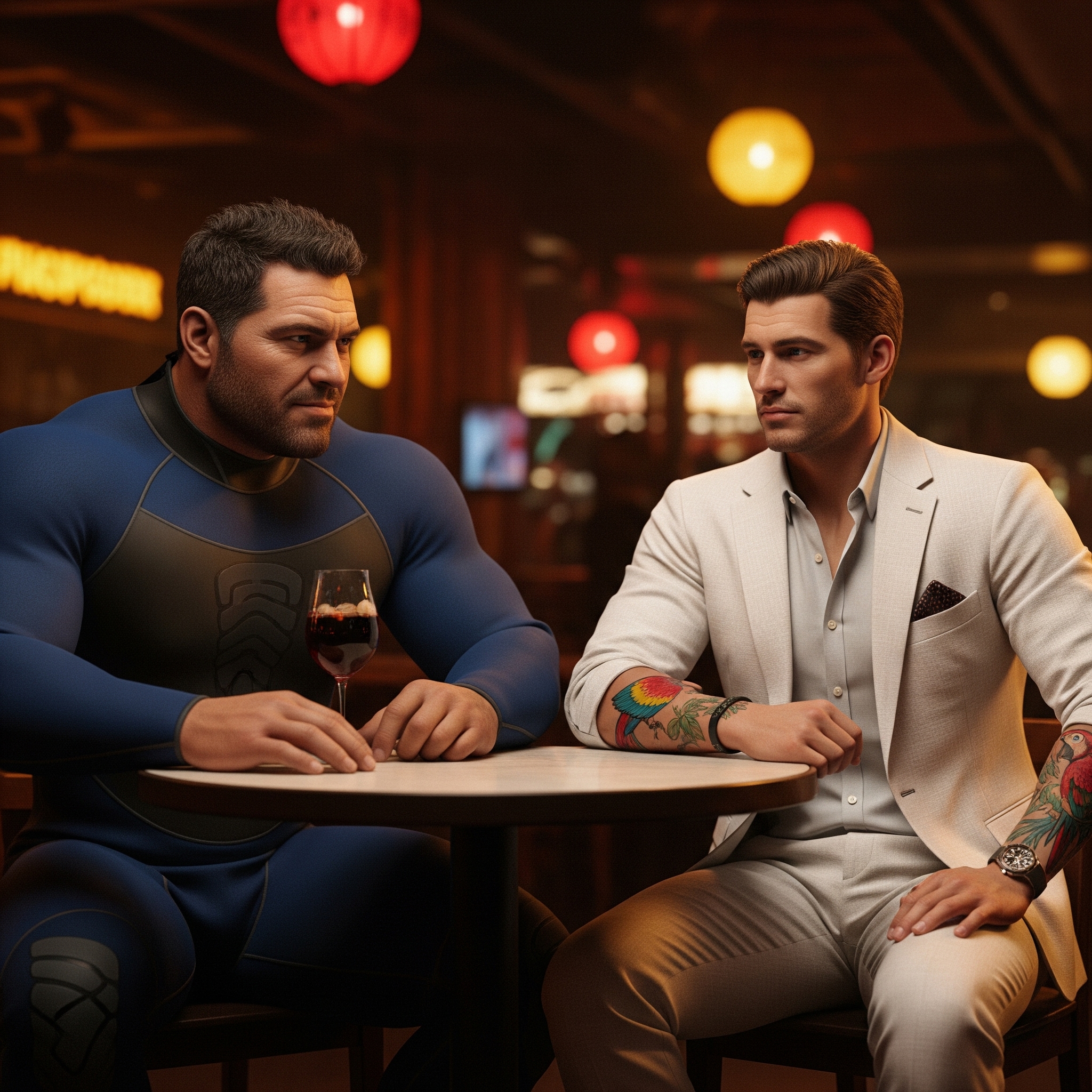
Singapore lay panting in the humid grip of the afternoon. The air, thick as molasses, clung to Dan’s skin the moment he stepped from the air-conditioned cocoon of the plane. The scent of orchids, usually a welcome exoticism, felt cloying and funereal, drowned by the acrid tang of jet fuel. Beside him, Ken adjusted the collar of his linen shirt. It remained stubbornly crisp, a small act of defiance against the oppressive heat.

“Dyspoon,” Dan rasped, the name a rough stone in his throat.
“Deadly Tijmames Dyspoon,” Ken corrected, his voice a low counterpoint to the airport’s din. “A sorcerer, they say. And a man of considerable means.”
“Money has always been a kind of magic,” Dan muttered, his gaze sweeping over the shimmering tarmac.
Their taxi, a relic from a less sweltering era, rattled through the congested streets. The driver, a wiry man with a permanent sheen of sweat on his brow, spoke in a rapid-fire cadence of the relentless heat and the talk of the town: the beer. A new, unbelievably cheap beer was flooding the market, appearing in every hawker centre and back-alley bar.
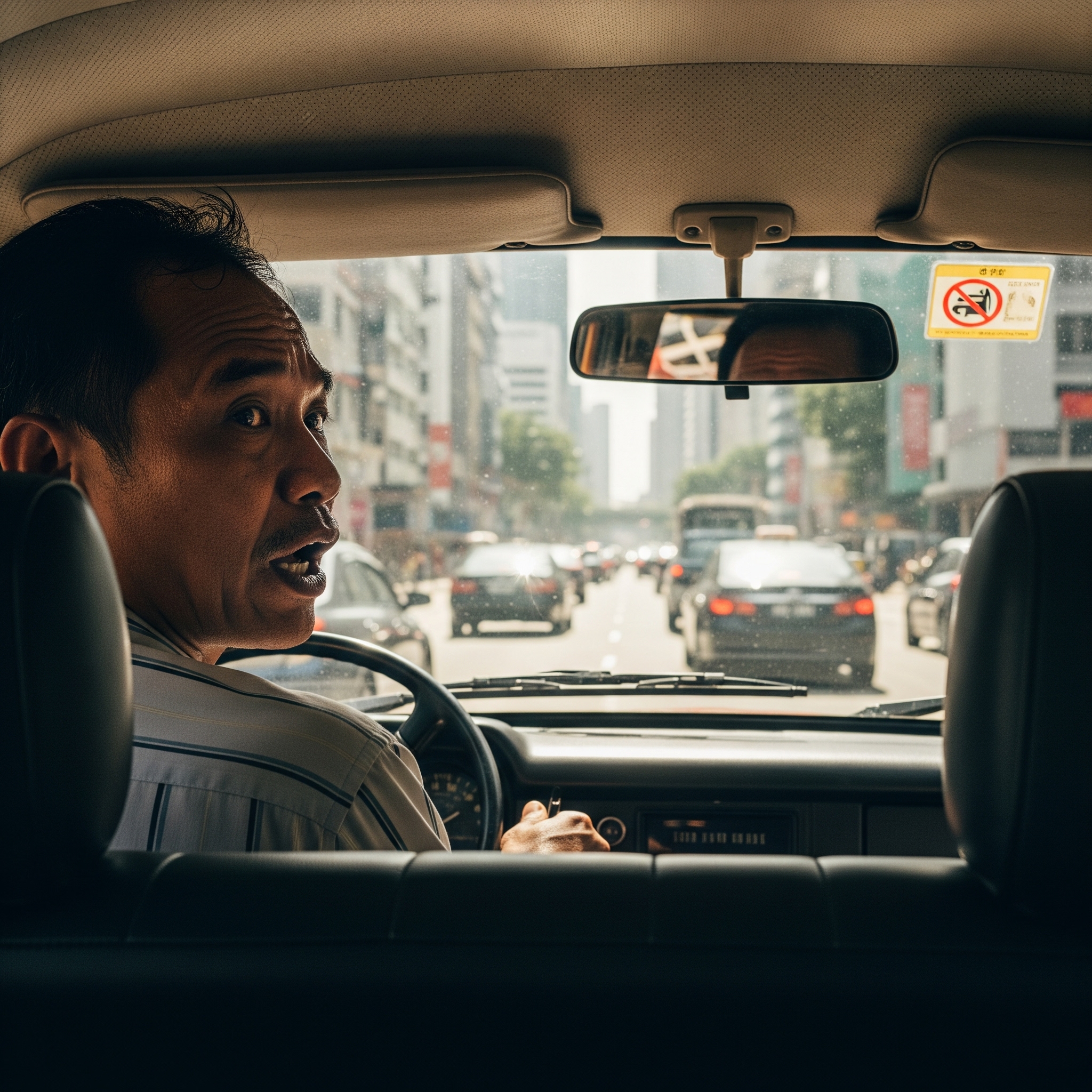
“Dyspoon’s work,” Dan said, the statement flat and certain.
Ken nodded, his eyes fixed on the city blurring past. “He’s not just entering the market, he’s creating it. They whisper he’s drying up the world, one drop at a time, and replacing it with his brew.”
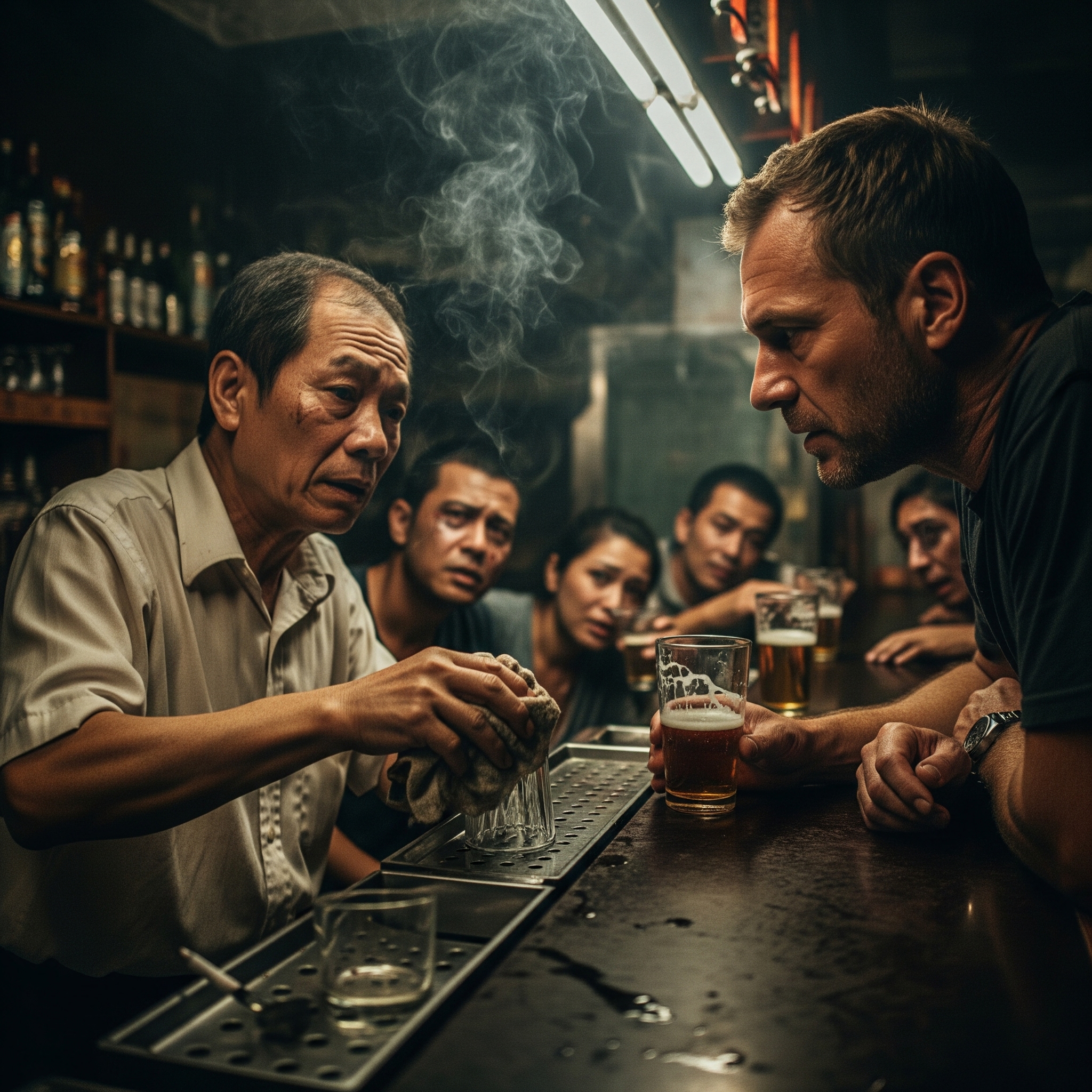
Their first stop was a dimly lit bar tucked away in a Geylang alley. The air inside was a thick soup of cigarette smoke and desperation. Men with hollowed eyes sat hunched over their glasses, nursing the same cheap, bitter beer the taxi driver had mentioned.
“We’re looking for information on Dyspoon,” Dan said to the bartender, his voice low enough not to carry.
The bartender, a man whose weary face had seen too much, flinched at the name. He polished a glass with a rag that had long since given up on being clean. “He’s not a man you look for. He has… interests. Everywhere.”
The trail, a whispered word here, a nervous glance there, led them to a hulking warehouse by the Keppel Harbour docks. A low, discordant hum emanated from within, a sound that grated on the teeth. It was the sound of immense power, misapplied.
Dan, a man who moved with the silent, fluid grace of the water he commanded, slipped through a side entrance. Ken followed, his movements more deliberate, his senses taking in every detail, every variable.
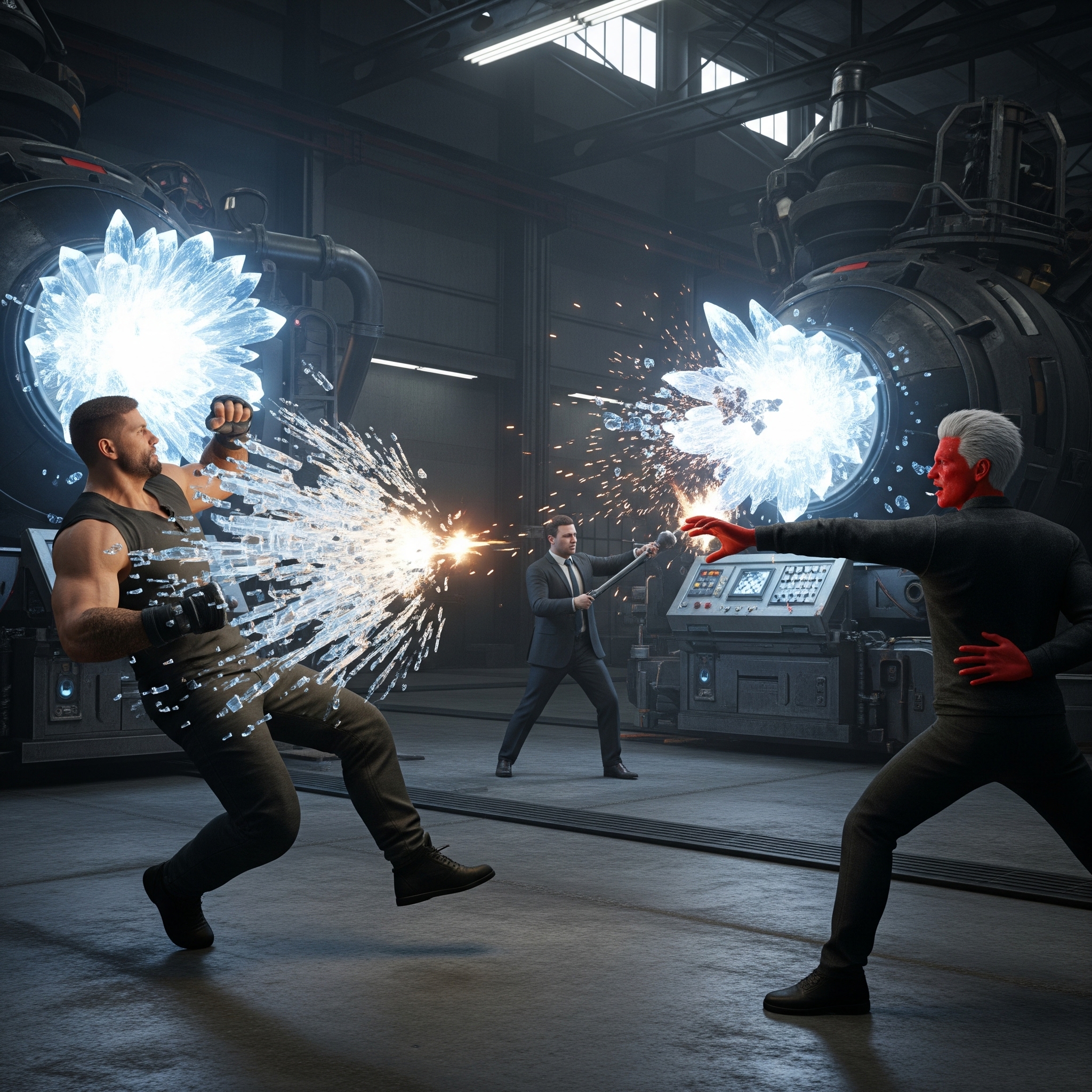
Inside, the source of the hum was revealed. Ranks of bizarre, colossal machines, unlike anything they had ever seen, stood in the cavernous space. They were not merely fans; they were something more sinister. They churned the air, not cooling it, but stripping it of its life, its moisture, until it was a dead, sterile thing. Vast, shimmering fields of energy pulsed around them, drawing in the humid sea air and expelling a desiccated wind that cracked the very concrete floor.
“He’s pulling the water straight from the air,” Dan breathed, the dry atmosphere catching in his throat. “From the sea itself.”
“All for the beer,” Ken finished, his expression grim. “The ultimate act of magical industrialisation.”
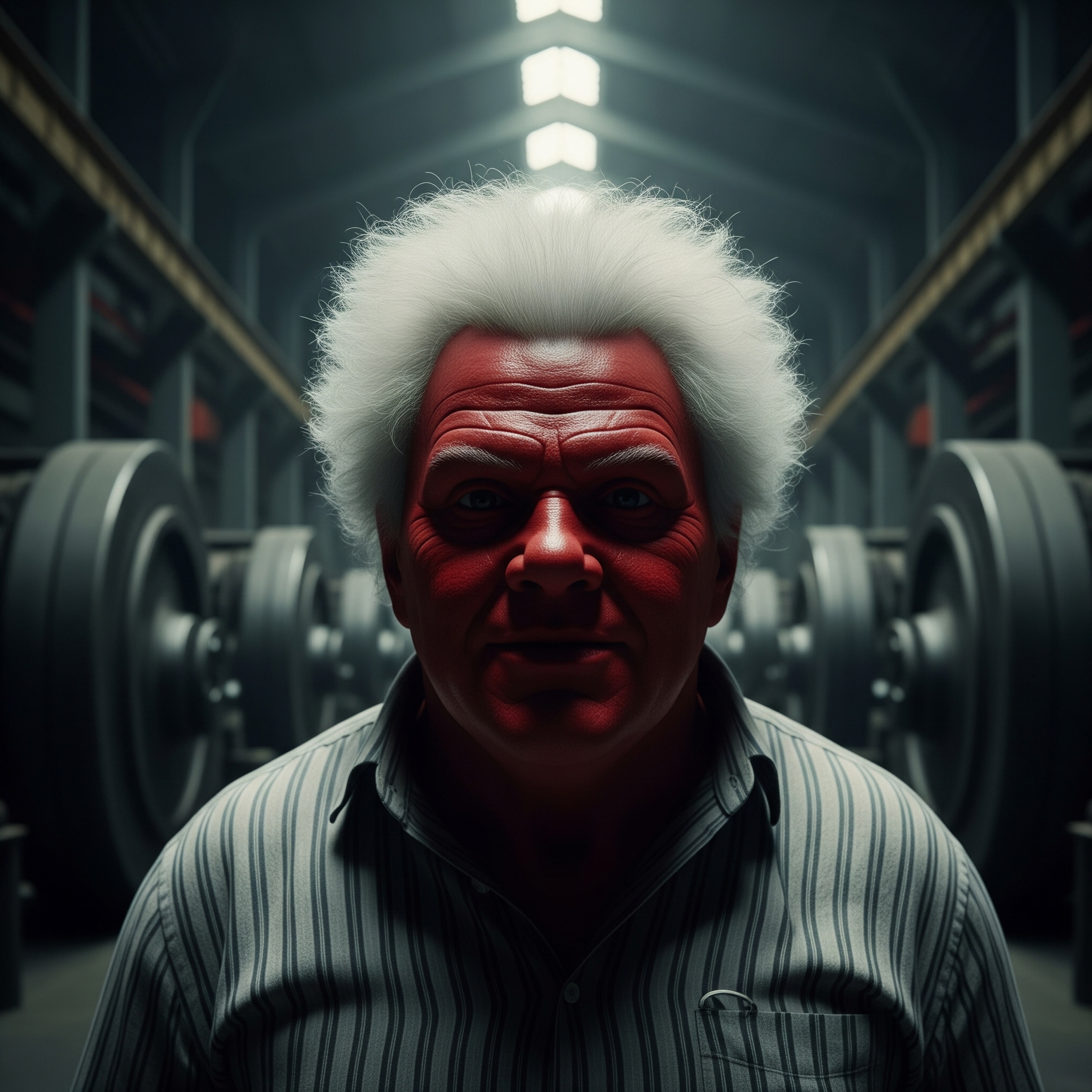
A figure emerged from the shadows cast by the colossal machines. He was a man of startling appearance, with a shock of thick, white hair that fell untidily around a face flushed a deep, choleric red. His eyes, small and embedded in the fleshy landscape of his face, glittered with an unsettling intelligence. It was Dyspoon. He wore a simple, striped shirt, a disarming choice for a man orchestrating the theft of an ocean. A dry, self-satisfied smile played on his lips.
“Progress, gentlemen,” Dyspoon’s voice was a reedy rasp, as arid as the air his machines produced. “You cannot stand in its way.”
“This isn’t progress,” Dan countered, his hands clenching into fists. “This is desecration.”
Dyspoon let out a short, dry laugh that sounded like sand scouring rock. “A matter of perspective. The world is thirsty. I am simply providing a more profitable alternative to water. My beer.”
The confrontation was immediate and brutal. Dan lunged, a wave of condensed, super-dense humidity forming around his fist. The blow, when it landed, would have felled a lesser man. But Dyspoon, though florid and seemingly soft, moved with a surprising, wiry strength. He sidestepped, and with a flick of his wrist, a current of the parched air slammed into Dan, throwing him back.
Ken, ever the strategist, saw his opening. He wasn’t a brawler, but he understood systems. With a series of precise, targeted strikes using a discarded pipe, he shattered the crystalline control panels on the nearest machine. The humming faltered, the oppressive dryness receding for a moment.
As Dan recovered and renewed his assault, Dyspoon gave a final, triumphant smirk. “You think this is my only venture? My only well?” He backed away towards a large, industrial elevator, its doors already sliding open. “This was merely a pilot program. The world is vast, and its thirst is endless.”
The doors hissed shut, and the elevator began its descent. Dan reached it a second too late, his fist striking the solid metal with a dull thud. The humming of the remaining machines died down, their power source seemingly cut with their master’s departure.
They left the silenced warehouse and its dead air behind. The familiar, heavy humidity of Singapore began to seep back in, a comforting blanket after the sterile chill. They found a different bar, one that served a rich, flavourful stout.
“He’ll be back,” Ken said, staring into the dark depths of his glass. “Another city, another scheme.”
Dan took a long drink, the cool liquid a welcome relief. “Maybe,” he said, a grim determination in his eyes. “But for now, the sea is safe. And this is a much better beer.”
They drank in silence for a moment, the oppressive heat of the city a familiar foe. The fight was far from over, but a battle had been won. For now, the world still had its water, and they had a decent drink in their hands.